
Iowa Law Enforcement: Arrest Bond Scam Targets You During Most Difficult Time
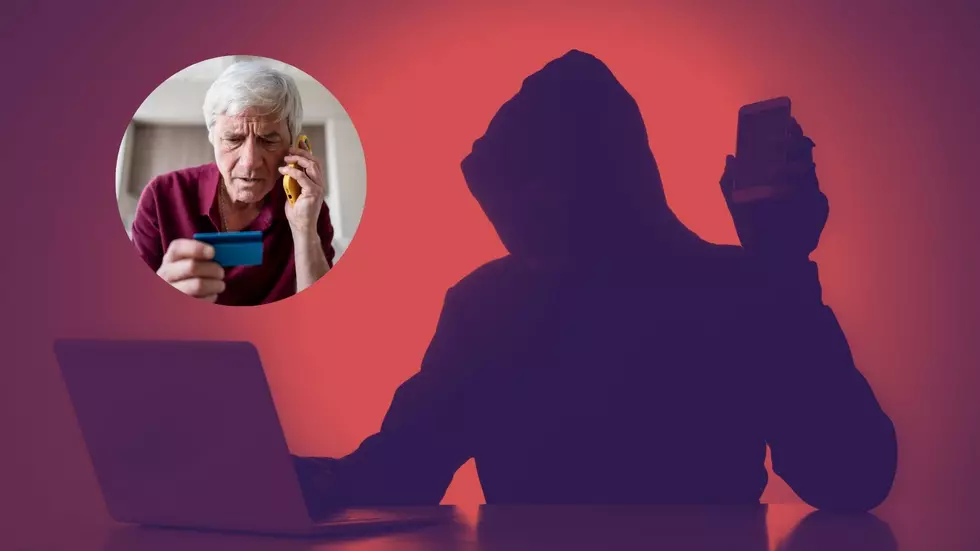
When a family is already dealing with the stress of having a loved one involved in a criminal investigation, the last thing they need is someone else trying to take advantage of them. Unfortunately, scammers are doing exactly that, using recent arrest information to target families with fake demands for bond payments across Iowa.

The Dubuque County Sheriff’s Office recently warned residents about a scam where criminals appear to be using recent arrest information to contact family members. The scammers claim a loved one has been arrested and needs money immediately to be released. They then pressure victims into sending payments through methods that legitimate law enforcement agencies do not, and will not, use.
While the latest warning comes from the Dubuque County Sheriff, officials say this type of scam is happening across Iowa. Criminals use public information to make their calls appear legitimate. They may know the name of the person who was arrested, where the arrest happened, and other details that can make the story sound believable; that is, right until they demand payment. The scam uses fear and urgency to place victims into a "must act now" situation. Someone who believes their loved one is sitting in jail may act quickly without verifying the information with the actual arresting institution.
The Dubuque County Sheriff’s Office emphasized that the agency will never call and demand bond money for an inmate. In fact, bond payments at most jails are accepted only in person and as cash. Payments may also be made in person at your local courthouse. The law enforcement does NOT accept gift cards, checks, Bitcoin, cryptocurrency, wire transfers, or other unusual payment methods.
Similar law enforcement impersonation scams have been reported across the state, with criminals posing as deputies, court officials, or other authorities while demanding these odd payment forms. These payment methods are popular with scammers because they are almost impossible to recover once sent.
Residents should watch for warning signs: unexpected or spam calls, demands for immediate payment, threats, and requests to keep the situation secret. Legitimate law enforcement agencies will not demand funds over the phone or ask for any unconventional forms of payment. Anyone who receives a suspicious call should stop and verify the information. Contact the jail, sheriff’s office, or court directly using a verified phone number. Do not use contact information provided by the caller.
Officials also want to remind people to listen if employees at banks, retail stores, or other businesses warn that a transaction appears suspicious. These employees often see scam attempts and may recognize warning signs that someone being targeted may not.
Families dealing with an arrest or criminal investigation are already facing a difficult situation. The last thing they need is a scammer adding financial loss and more stress.
Iowa's 25 Most Violent Cities According to the FBI
Gallery Credit: Eric Stone
Iowa Facts You Likely Never Knew
Gallery Credit: Johnny Marks